
High-Rise Commercial Kitchen Exhaust System for Large Restaurant Projects
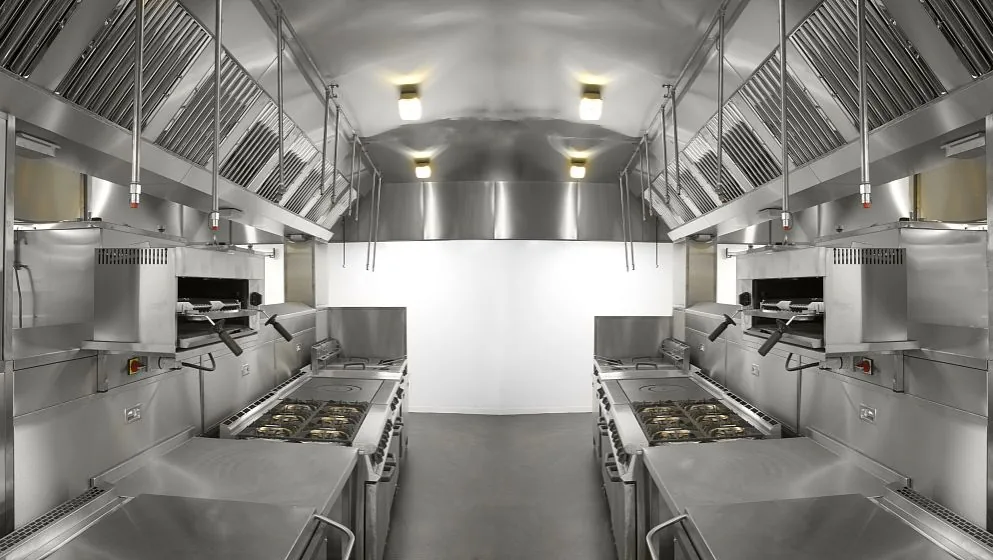
Designing and installing a commercial kitchen in a high-rise building presents unique challenges, particularly when it comes to exhaust and ventilation systems. Unlike ground-level restaurants, high-rise kitchens must comply with stricter fire safety regulations, structural load considerations, and more complex ductwork routing.
Key Considerations for High-Rise Kitchen Exhaust
High-rise commercial kitchen exhaust systems must be designed to handle the specific demands of vertical buildings. Key factors include:
- Fire Safety Compliance: High-rise kitchens require fire-rated ductwork, automatic fire suppression systems, and compliance with local building codes that are typically more stringent than for ground-level establishments.
- Ductwork Design: Vertical duct runs require careful planning to maintain proper airflow velocity and prevent grease accumulation.
- Structural Integration: Exhaust systems must be integrated with the building's existing HVAC and structural framework.
Equipment Selection for High-Rise Kitchens
When selecting equipment for high-rise commercial kitchens, consider energy efficiency (to reduce HVAC load), compact designs (to maximize limited space), and equipment with integrated ventilation solutions. Island hoods and canopy hoods should be matched to the specific cooking equipment layout.
Xinhuili Metal provides custom commercial kitchen equipment suitable for high-rise installations, including appropriately sized shelving, work tables, and storage solutions designed for efficient use of vertical space.