
How the 2026 FIFA World Cup Transforms the Restaurant Industry: Key Insights and Lessons for Future Events

The 2026 FIFA World Cup — hosted across the United States, Canada, and Mexico — represents the largest tournament in history, featuring 48 national teams, 104 matches, and 39 competition days spanning three time zones. For the commercial foodservice industry, this monumental sporting event has created both unprecedented opportunities and operational challenges that are reshaping how restaurants, bars, and hospitality businesses prepare for major global events.
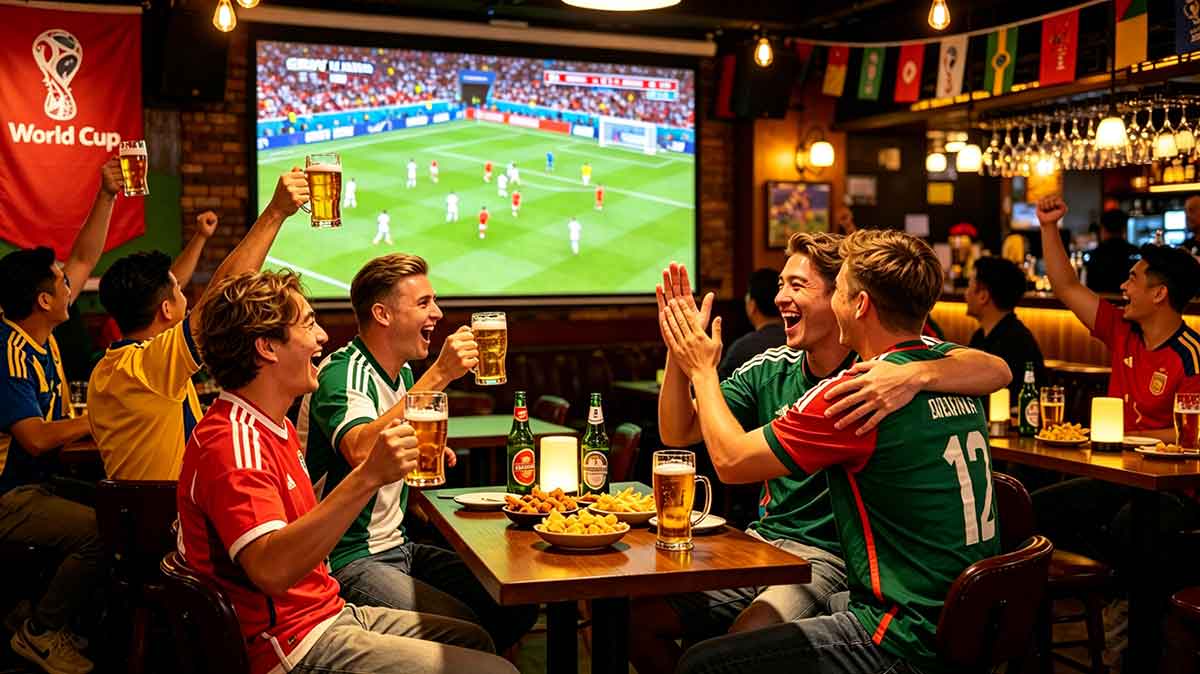
The 2026 World Cup: A Game-Changer for Foodservice Operations
Historically, World Cup tournaments drive significant increases in food and beverage spending, particularly in host cities. During the 1994 World Cup — the last time the U.S. hosted — restaurant sales in host cities rose by 10% to 15%, according to Revenue Management Solutions. The 2026 edition is projected to deliver even greater economic impact, with Kansas City alone expecting approximately 650,000 visitors generating over $653 million in direct economic activity across dining, accommodation, and entertainment sectors.
However, the 2026 tournament presents a unique operational landscape. Unlike previous World Cups concentrated in a single country, the tri-nation format means demand patterns vary dramatically across regions. Sports bars in major metropolitan areas like Miami and Los Angeles have already reported substantial foot traffic increases during high-profile matches, mirroring patterns observed during previous major soccer tournaments tracked by Placer.ai.
Key Demand Shifts Observed During Tournament Play
- Delivery and takeout surge over dine-in: Analysis shows that major football events significantly increase delivery orders while reducing dine-in traffic, creating potential net revenue challenges for operators unprepared for the shift
- Hyper-local demand variation: Restaurants in residential neighborhoods experience different patterns than those in shopping centers or entertainment districts
- National team performance effect: The further a host nation progresses in the tournament, the more dramatic the demand distortion becomes
How Match Timing Reshapes Restaurant Revenue Patterns
One of the most significant operational challenges of the 2026 World Cup is how match scheduling rewrites the traditional trading day. Pre-kickoff delivery spikes and post-match surges create concentrated demand windows that standard daily reporting often fails to capture, leading to overstaffed dining rooms and under-resourced delivery operations simultaneously.
For operators, this means that standard year-over-year forecasting based on previous summer performance is likely inaccurate. Kitchens that don't align their prep schedules, staffing, and equipment configuration with match times risk being caught under-resourced precisely during peak demand periods.
The Menu Simplification Trend
Successful foodservice operators during the tournament have adopted streamlined game-day menus featuring:
- Pre-match express meals for quick service
- Shareable platters optimized for group viewing
- Group takeout bundles for at-home watch parties
- Limited-time country-inspired specials
- Late-night post-game items
This menu simplification directly impacts kitchen workflow, placing greater emphasis on efficient prep stations, rapid assembly capabilities, and durable work surfaces that can handle increased volume and frequent cleaning.
The Surge in Bar and Beverage Operations
The World Cup traditionally drives massive beverage sales, with beer and cocktail consumption spiking during match hours. For bars and restaurants with beverage programs, this creates intense pressure on bar stations to deliver drinks quickly without sacrificing quality or hygiene.
Industry leaders like Alsea, which operates Chili's — Mexico's largest sports bar chain — have invested over $300 million in location renovations to enhance the viewing experience and improve operational efficiency. Their "fourth stadium" concept positions restaurants as accessible, comfortable alternatives to actual match venues.
Why Stainless Steel Bar Stations Are Critical During Peak Events
During high-volume periods like the World Cup, bar stations face relentless use — frequent spills, constant cleaning, heavy glassware handling, and continuous garnish preparation. Stainless steel cocktail stations have emerged as essential equipment for several reasons:
- Corrosion resistance: Grade 304 stainless steel withstands exposure to citrus juices, alcoholic beverages, and cleaning chemicals without staining or deteriorating
- Hygienic properties: Non-porous surfaces prevent bacteria buildup, crucial for health code compliance during busy periods
- Durability under heavy use: Reinforced construction handles the increased pace and volume of tournament-time service
- Easy sanitization: Smooth brushed finishes clean quickly between rushes, maintaining food safety standards even at peak volume
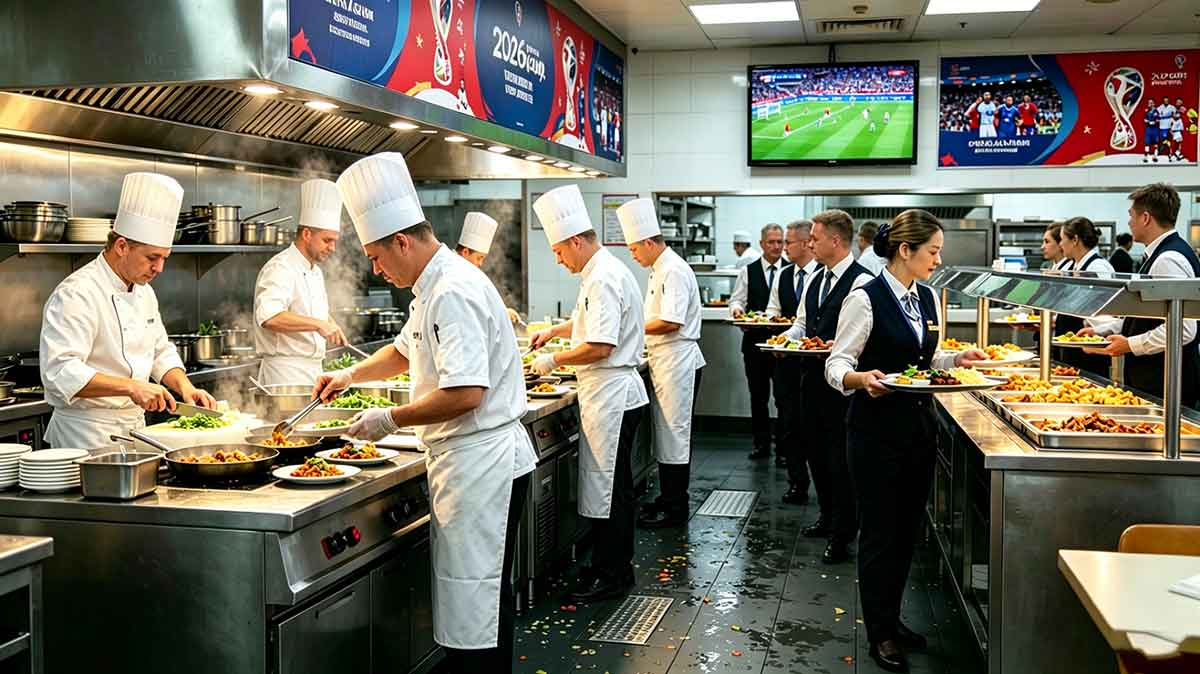
Why Stainless Steel Commercial Kitchen Equipment Became Essential
The unprecedented demand fluctuations of the World Cup have highlighted why stainless steel is the gold standard for commercial kitchen equipment. Operators who invested in quality stainless steel prep tables, workstations, and bar stations before the tournament have seen significant operational advantages.
Durability That Withstands Tournament-Level Volume
Commercial kitchens operating at World Cup peak volumes experience far more wear and tear than during normal periods. Stainless steel prep tables — particularly those constructed from 14-16 gauge steel — handle heavy equipment, constant chopping, and high-temperature items without denting, warping, or scorching. This durability translates directly to faster, more flexible workflow during critical service windows.
Hygiene and Food Safety Under Pressure
With increased volume comes heightened food safety risk. The non-porous nature of stainless steel prevents bacteria from accumulating in scratches or grooves — a common problem with wooden or plastic surfaces. This becomes especially critical during tournaments when kitchens are operating at maximum capacity with reduced time for deep cleaning between rushes.
The Centers for Disease Control and Prevention emphasizes that proper food preparation surfaces are essential for preventing foodborne illness outbreaks in commercial establishments. During high-volume events like the World Cup, when health inspection scrutiny can intensify alongside customer volume, stainless steel surfaces provide operators with confidence in their food safety protocols.
Modular Flexibility for Changing Demand Patterns
The 2026 World Cup has demonstrated that demand can shift rapidly — from dine-in rushes before matches to delivery surges during play, then to post-game peaks. Stainless steel work tables with adjustable shelving and modular configurations allow kitchens to rearrange stations quickly based on which menu items are driving volume at any given time.
Key Takeaways for Preparing Your Kitchen for the Next Major Event
The 2026 World Cup provides valuable lessons for restaurant operators preparing for future major sporting events, festivals, or seasonal peaks. Based on observed patterns and operator experiences, here are the critical takeaways:
1. Forecast by Match Schedule, Not Just Calendar Dates
Standard monthly or weekly forecasting fails to capture the dramatic demand shifts caused by specific match times. Successful operators build their staffing, prep schedules, and inventory planning around individual match schedules — accounting for pre-kickoff buildup, in-match lulls, and post-game surges.
2. Invest in Equipment That Scales With Demand
The tournament has proven that cheap, low-quality kitchen equipment fails under peak pressure. Operators who upgraded to heavy-duty stainless steel prep tables and commercial-grade bar stations before the event reported:
- Faster prep times during peak periods
- Fewer equipment failures mid-service
- Easier cleaning between rushes
- Better compliance with health inspections
3. Design Kitchen Layouts for Speed and Efficiency
World Cup volume rewards efficient kitchen flow. Modular stainless steel layouts with clear zones — preparation, cooking, plating, and cleaning — enable kitchen teams to work faster while maintaining safety standards. When every minute counts during a pre-match rush, having dedicated stainless steel prep stations with integrated storage reduces unnecessary movement and speeds up order fulfillment.
4. Prioritize Bar Station Efficiency
For venues with beverage programs, dedicated stainless steel cocktail stations with built-in ice wells, garnish storage, and speed rails dramatically improve drink output during peak viewing hours. Operators report that purpose-built bar stations can increase drink service speed by 25-30% compared to makeshift setups.
Investing in Durable Stainless Steel Solutions for Long-Term Success
The 2026 FIFA World Cup is more than just a sporting event — it's a stress test for commercial foodservice operations. The operators who emerge strongest aren't just those who captured tournament-time revenue, but those who used the event as a catalyst to upgrade their kitchens with equipment that delivers long-term value.
Stainless steel commercial kitchen equipment represents a smart investment because it delivers returns far beyond any single event. Whether you're outfitting a full commercial kitchen, upgrading your prep stations, or installing professional cocktail bar stations, stainless steel solutions offer:
- Longevity: Decades of use with proper maintenance
- Hygiene: Compliance with the strictest FDA and NSF standards
- Versatility: Adaptable to menu changes, seasonal peaks, and special events
- ROI: Lower replacement costs and reduced downtime compared to alternative materials
Preparing Now for the Next Big Event
If the 2026 World Cup has taught the restaurant industry anything, it's that major events arrive faster than expected — and the kitchens that are already equipped with durable, efficient stainless steel workstations and bar equipment are the ones that capture the opportunity.
Whether you're gearing up for the next tournament, planning for your busy season, or simply upgrading your kitchen for improved daily operations, investing in quality stainless steel commercial equipment positions your business for success whatever demand comes your way.